
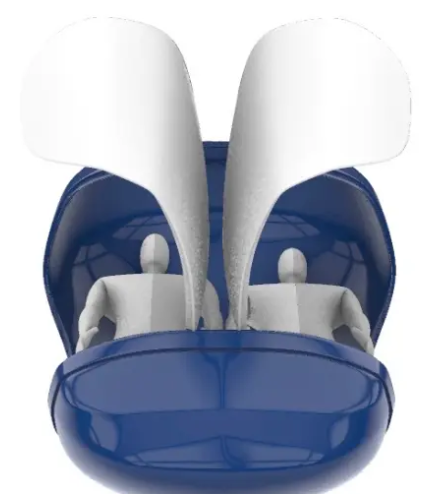
One year after a controversial assisted-dying suicide pod device was used for the first time, its inventor says he is developing a new version designed for two people.
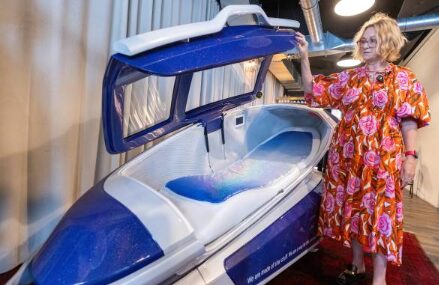
The device, commonly referred to as the Sarco, is a 3D-printed suicide pod that allows a user to release nitrogen gas by pressing a button. The pod drew international attention in 2024 after a 64-year-old American woman used it in Switzerland. Her death led to a police investigation, during which authorities seized the suicide pod and detained several people who were present. Swiss officials later ruled out intentional homicide, and the investigation was dropped.
Philip Nitschke, the Australian-born physician who created the suicide pod, says he is now working on a larger model intended for couples who want to die together. The new design, informally called the “Double Dutch” version, would be large enough for two occupants and would require both people to press their activation buttons at the same time. If one person does not press their button, the device will not operate.
According to Nitschke, interest in the dual-occupant suicide pod has already been expressed by couples, including one from the United Kingdom who said they wanted to “die in each other’s arms.”
The original Sarco suicide pod works by filling the sealed capsule with nitrogen, which reduces oxygen levels and causes the person inside to lose consciousness within seconds, followed by death shortly afterward. Nitschke said the woman who used the pod last year activated it almost immediately and had researched the device beforehand.
In addition to its increased size, the new suicide pod model is expected to include artificial intelligence software designed to assess mental capacity. Instead of meeting with a psychiatrist, future users would complete an online assessment administered by an AI avatar. If the individual passes the test, the system would confirm mental capacity and activate the pod for a 24-hour period. After that window expires, the test would need to be taken again.
Nitschke said the AI component was not fully developed at the time of the first use but has since been completed. He also stated that most parts of the dual suicide pod have already been produced and that assembly could be completed within months.
Despite ongoing development and growing interest, the legal status of the suicide pod in Switzerland remains unclear. When the device was first used, Switzerland’s interior minister, Elisabeth Baume-Schneider, said the pod was “not legal,” a statement that contributed to the initial investigation. Although that inquiry ended without charges, Swiss authorities have not approved the technology.
The future of the suicide pod now depends on how Swiss officials choose to regulate assisted-dying devices. While the legal case surrounding its first use has closed, debate over assisted dying and the technology involved continues.