
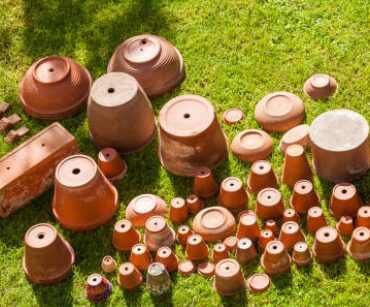
A recent TikTok trend has people confused—and a little concerned. Videos show users eating mini clay pots, a practice where small clay containers are covered in lime juice and Tajín seasoning, then eaten whole.
The trend started with TikTok creator Janeth Herrera, who shared videos of herself eating these clay pots during her pregnancy. Her clips quickly went viral, gaining millions of views. Some viewers are curious and even eager to try eating mini clay pots themselves, while others find the idea strange or unappealing.
Experts say cravings like this may be linked to a condition called pica, which causes people to crave non-food items such as dirt or clay. This can sometimes happen during pregnancy or when the body lacks certain nutrients like iron. However, even if basic lab results appear normal, there may still be underlying deficiencies.
There is also a cultural aspect to consider. In some regions, people have traditionally consumed clay for perceived health or spiritual benefits. Still, modern medical experts warn that eating clay offers little nutritional value and may not be safe.
Health professionals highlight several risks. Clay is not easily digested and can build up in the digestive system, potentially causing blockages. It may also interfere with nutrient absorption and medications. Additionally, there is a risk of harmful contaminants like heavy metals, especially since many clay products are not strictly regulated.
Even products labeled as “food grade” are not guaranteed to be completely safe. Experts emphasize that these items are not approved in the same way as food or medicine, meaning consumers rely on manufacturers for safety.
While the trend of eating mini clay pots continues to spread online, medical advice remains clear: the risks outweigh any potential benefits.