
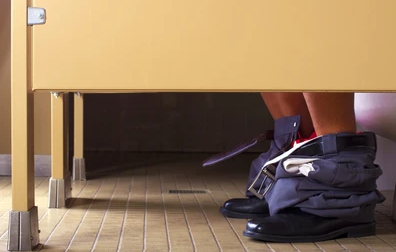
A growing number of employees are dealing with a surprising health concern: poop anxiety. According to recent surveys, nearly one-third of workers are uncomfortable using their office’s communal restroom, and about 1 in 5 actively avoid it altogether due to embarrassment about smells, noise, and a general lack of privacy.
The phenomenon, often referred to as “poop anxiety,” can interfere with workplace productivity and well-being. But experts say the issue is more manageable than most people realize — especially with a few simple lifestyle changes that help encourage a regular bowel routine before you even leave the house.
Dr. Leybelis Padilla, a board-certified gastroenterologist and founder of Unlocking GI, told the New York Post that while not everyone can count on nature’s call arriving at the same time each morning, certain habits can help train the body to be more predictable.
“Having regular, more predictable poops are a byproduct of all of the lifestyle habits that someone has,” Padilla explained. She emphasized that a consistent routine — including fiber intake, hydration, and light movement — plays a crucial role in developing a reliable bathroom schedule.
Padilla recommends three key steps to help reduce poop anxiety:
1. Increase fiber intake.
Fiber adds bulk and softens stools, making them easier to pass. It also helps clean the colon by sweeping away buildup and bacteria. Most Americans fall short of the recommended daily fiber intake — at least 25 grams per day — which contributes to irregular bowel movements. Simple fixes like adding chia seeds or flax meal to a smoothie can help boost intake.
2. Hydrate early.
“Not a cup of coffee,” Padilla warned. While coffee can stimulate the bowels for some, it’s also a diuretic, which may contribute to dehydration. Drinking a full glass of water shortly after waking up helps prepare the digestive system for movement and supports smoother bowel activity.
3. Get the body moving.
Gentle morning activity — even a few minutes of yoga — can stimulate gut motility. Poses such as the seated spinal twist, forward fold, or bringing knees to the chest may encourage a natural urge to go.
“Someone’s bowel movement frequency and timing is similar to their fingerprint,” Padilla said, adding that poop anxiety can be influenced not just by diet or stress but even one’s thoughts and mindset.
Ultimately, with a fiber-rich breakfast, hydration, and light movement, many people can overcome poop anxiety and avoid the discomfort of using public restrooms at work.